
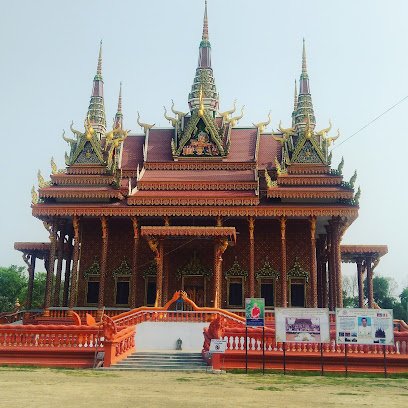
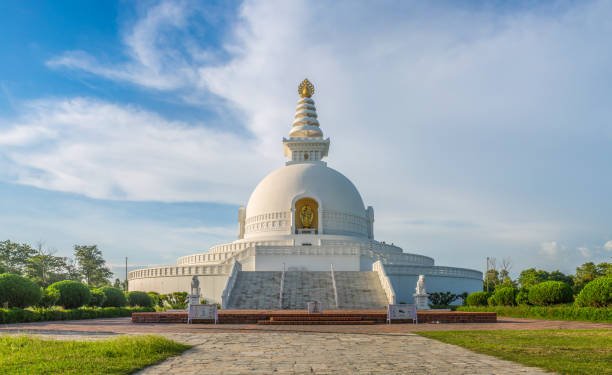
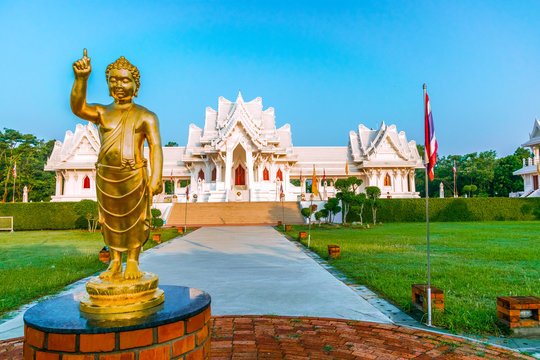
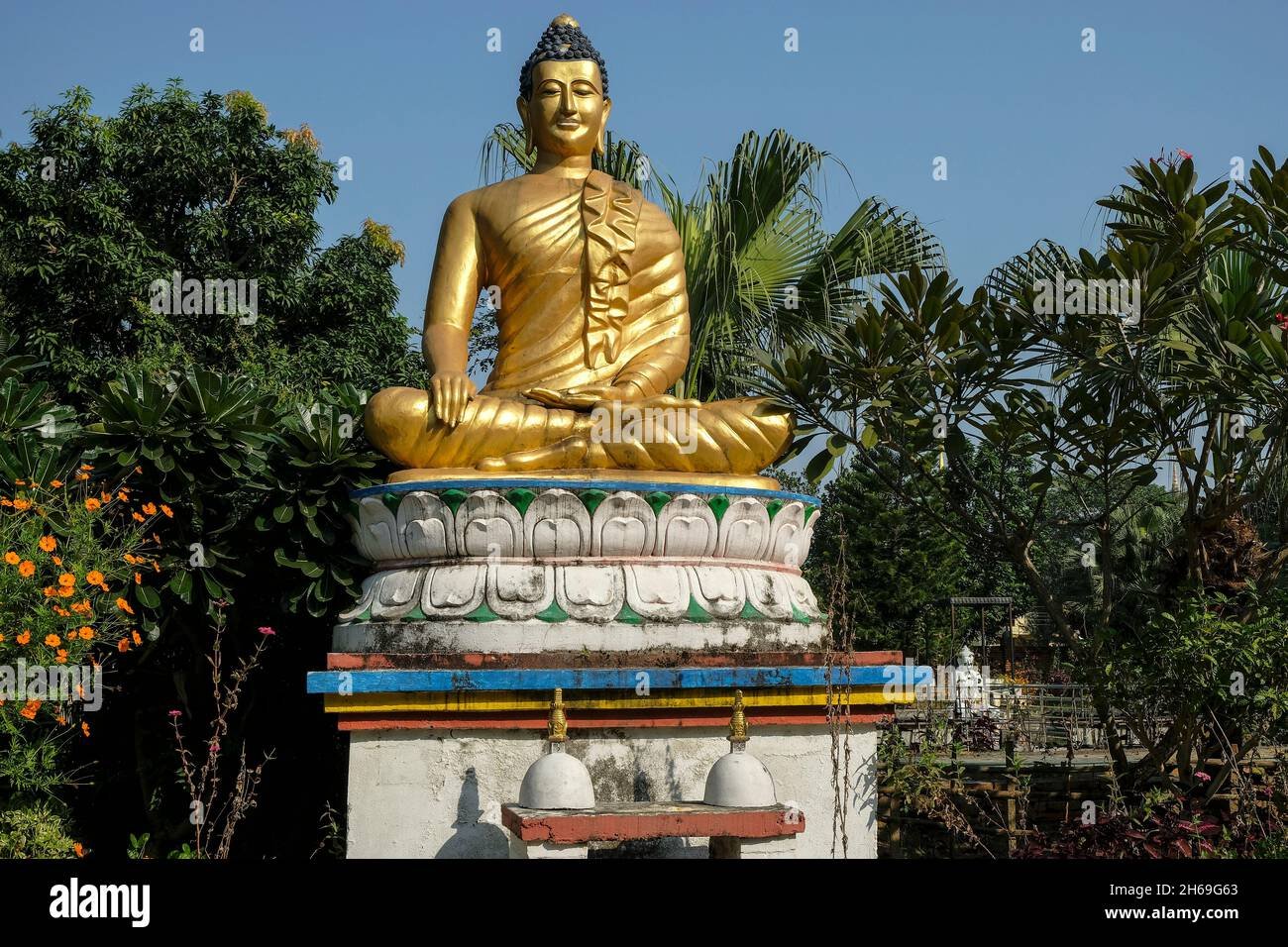
Lumbini (Nepal) - Birthplace of Buddha
Lumbini is not just the birthplace of a historical figure—it is the starting point of a path of wisdom, compassion, and enlightenment that would later guide millions of people across the world.
It is a UNESCO World Heritage Site. The Maya Devi Temple stands where Buddha was born. The sacred Puskarini pond is believed to be where Queen Maya bathed before birth.
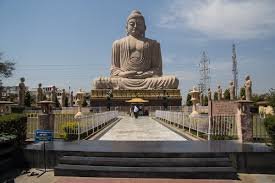
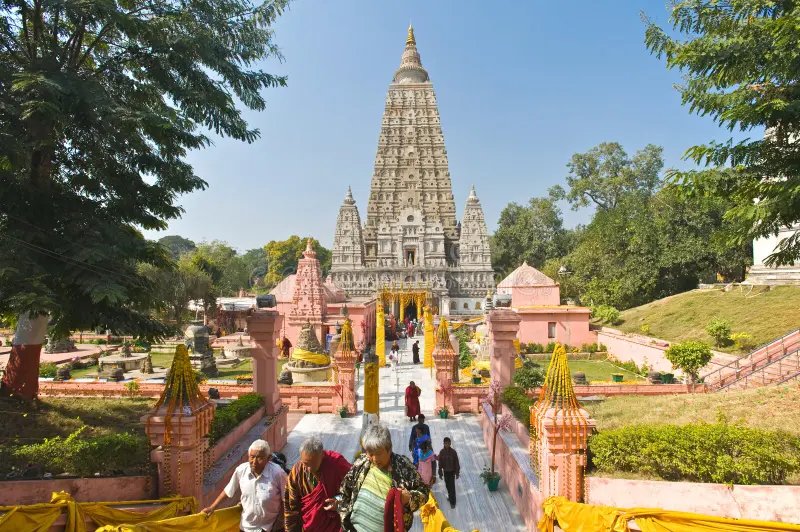
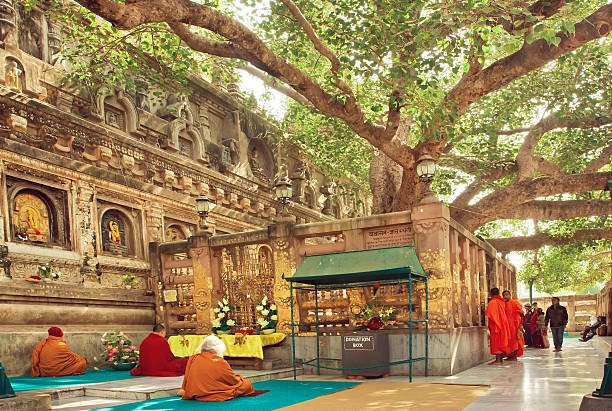
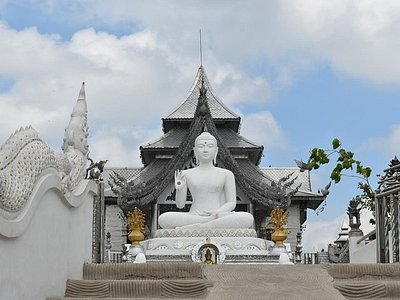
Bodh Gaya (India, Bihar)
Prince Siddhartha Gautama spent years searching for truth. He studied with wise teachers, practiced strict meditation, and even starved his body in extreme ascetic practices. But no matter what he tried, the answers to suffering and the true nature of life still remained unclear. Siddhartha eventually reached a peaceful spot near the Neranjana (Niranjana) River in what is now Bihar, India. The land was quiet, filled with soft grass, gentle breezes, and the songs of birds.
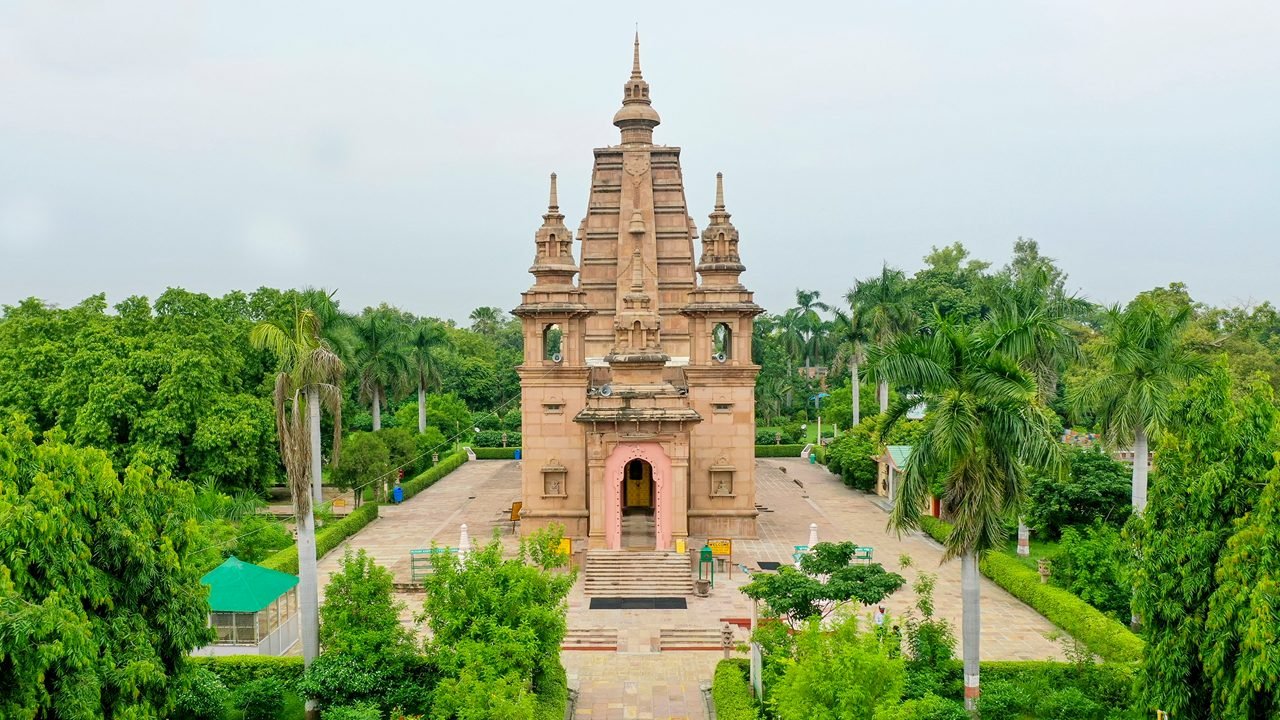
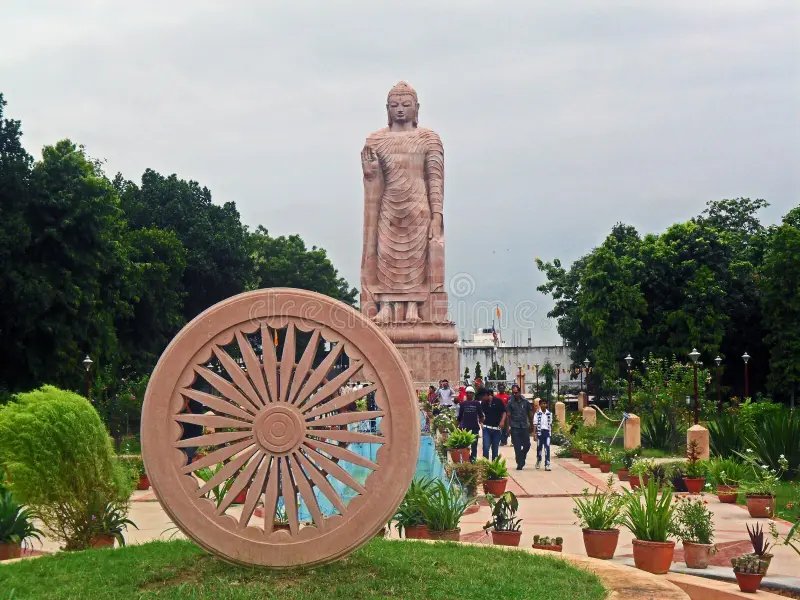
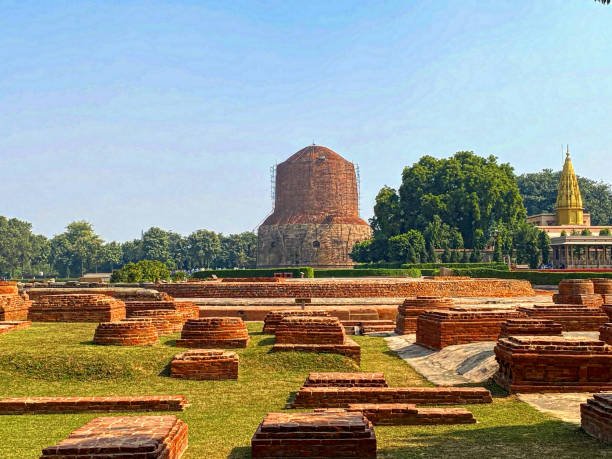
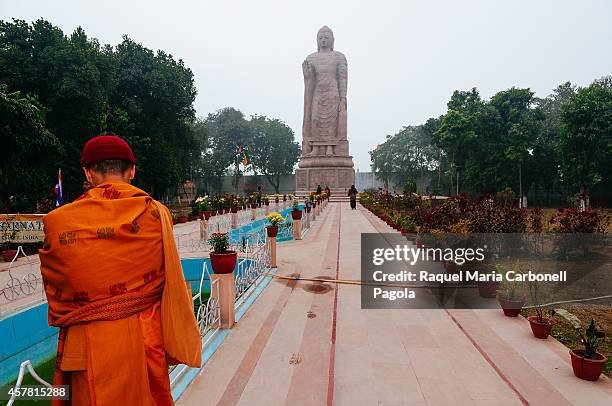
Sarnath (India, Uttar Pradesh) - First Teaching
Buddha began walking from Bodh Gaya to Sarnath, near present-day Varanasi (Kashi). He chose Sarnath because his five former companions—the monks who practiced strict fasting and meditation with him—were staying there. Those monks had left him earlier, believing he had abandoned the path when he chose the Middle Way instead of extreme austerity. But when they saw him now, peaceful and radiant after Enlightenment, they immediately recognized his transformation.
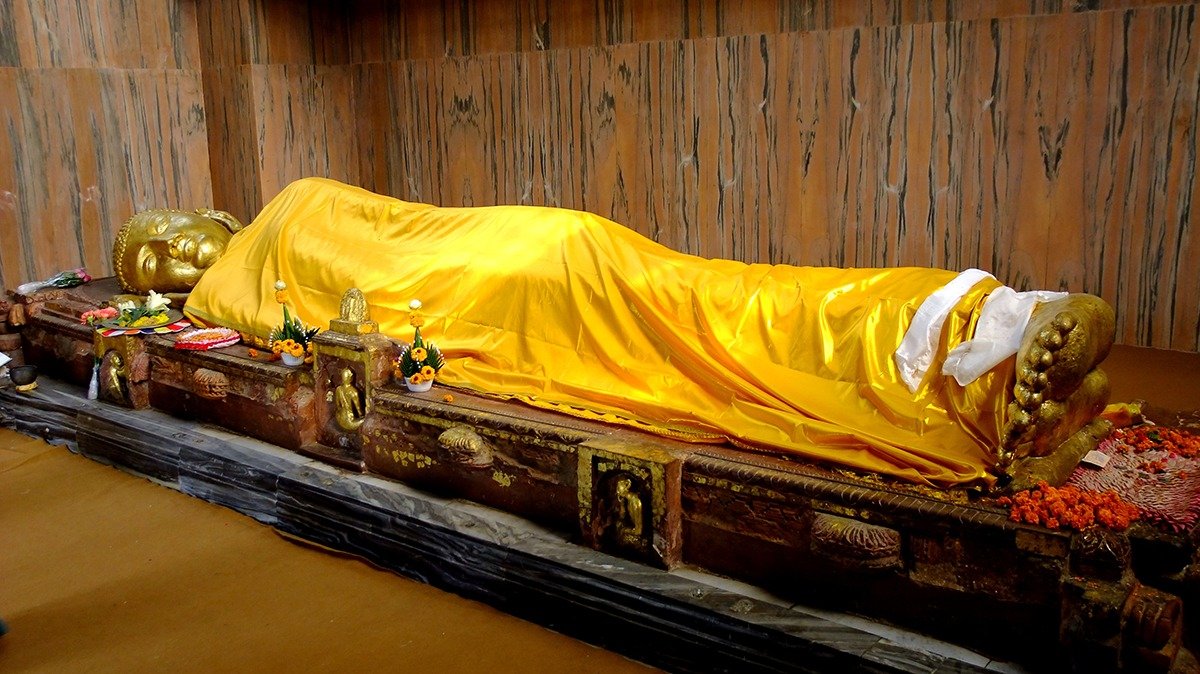
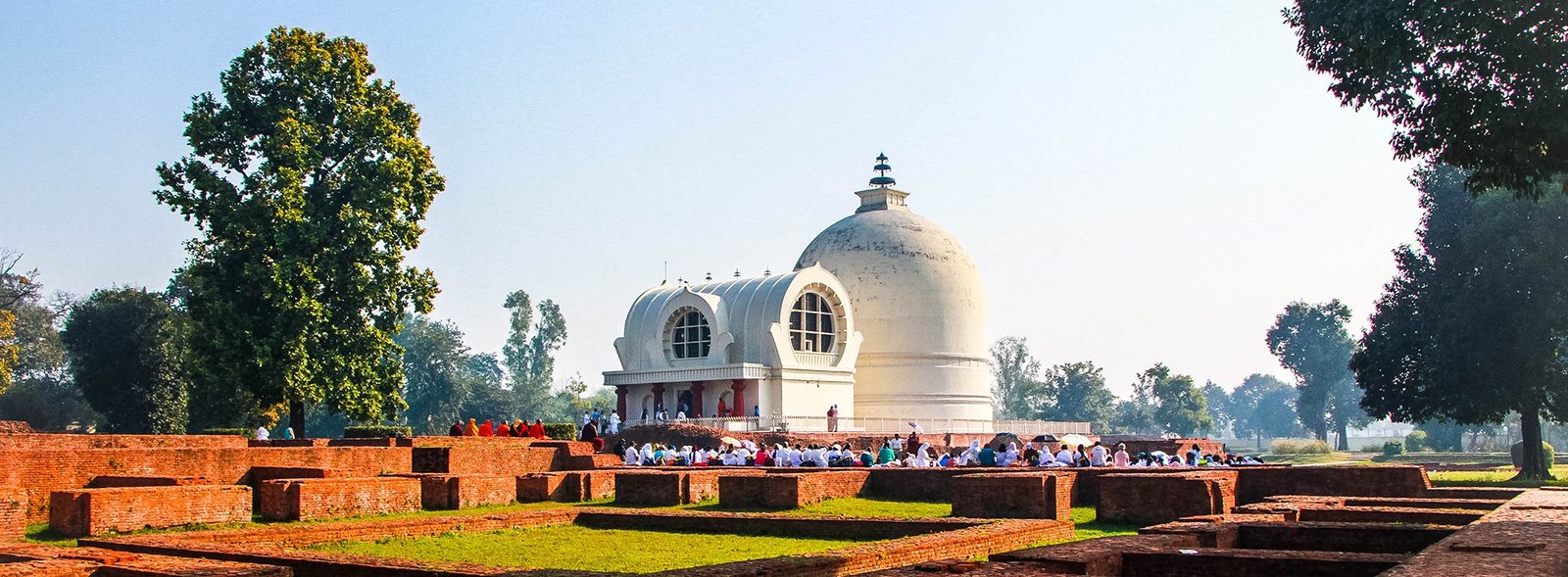
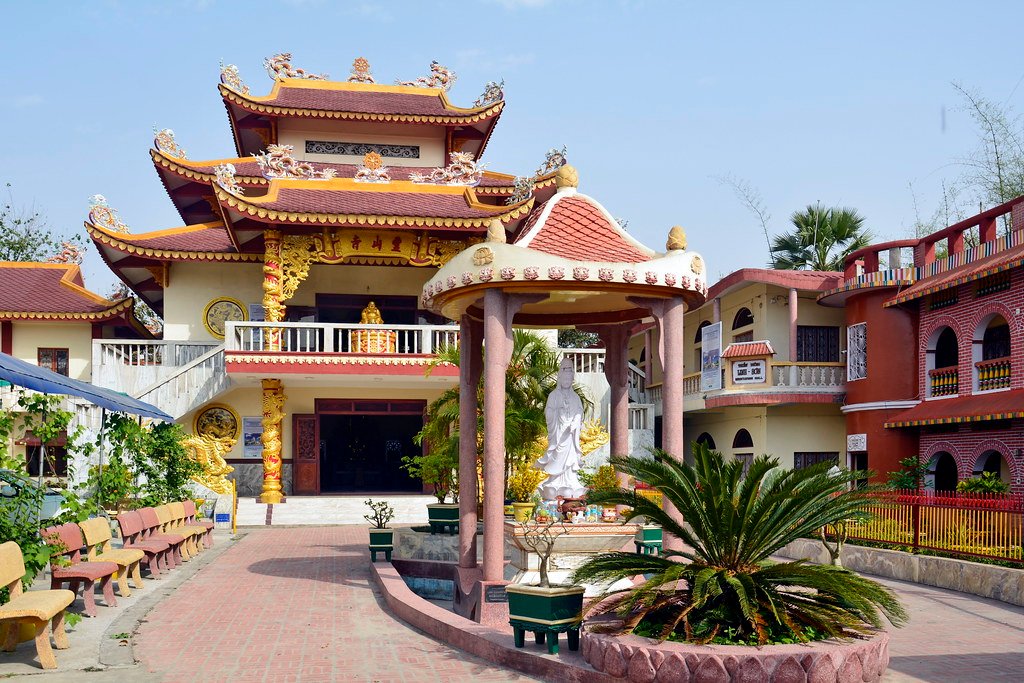
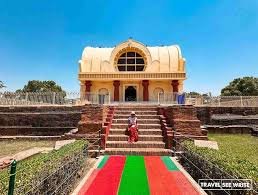
Kushinagar (India, Uttar Pradesh) - Parinirvana (Death)
Buddha continued his final journey toward a quiet forest area near a small town called Kushinagar, in present-day Uttar Pradesh, India.
Even though he was weak, he walked with dignity and mindfulness. His disciples walked beside him, silently observing his calm presence.
His body was honored with a royal cremation ceremony.
His relics were later distributed among kings and monasteries, forming stupas across ancient India.
Today, Kushinagar is a major Buddhist pilgrimage site. Important monuments include:
Mahaparinirvana Temple
A large reclining statue of Buddha
The Ramabhar Stupa (cremation site)
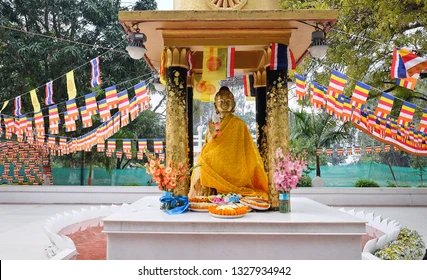
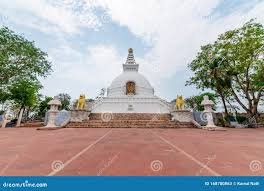
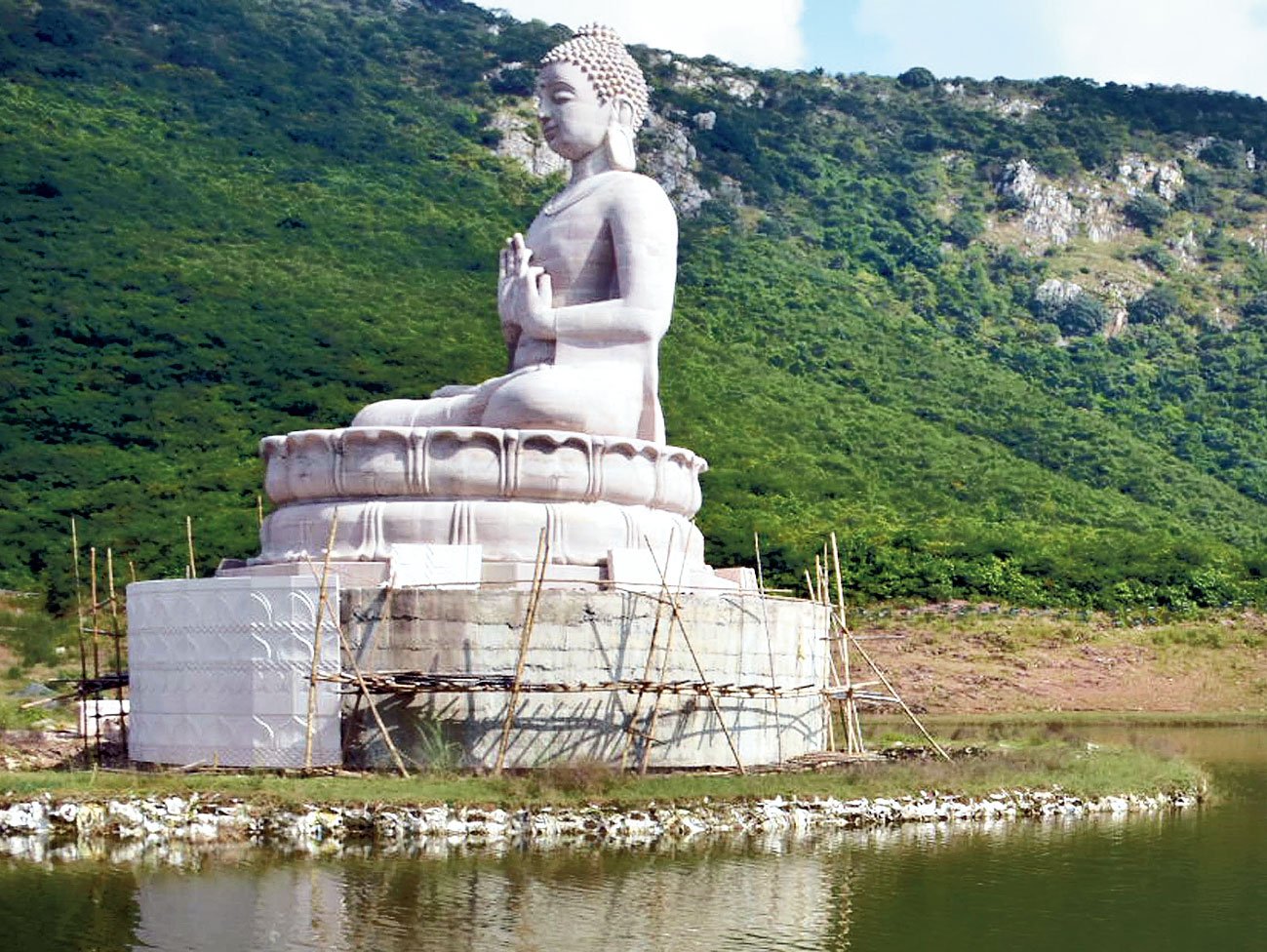
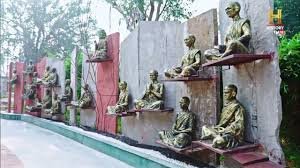
Rajgir (Bihar, India)
Rajgir, located in Bihar, was one of the most important places in the life of Gautama Buddha after his Enlightenment. It was the capital of the ancient kingdom of Magadha, ruled by King Bimbisara, who later became one of Buddha’s first royal disciples.
One of the most sacred places in Rajgir is Griddhakuta, also known as Vulture’s Peak. This rocky hill became Buddha’s favorite meditation place because it was quiet and surrounded by nature. Many important Buddhist scriptures, including teachings on Mindfulness, Emptiness, and Compassion, were delivered here. Thousands of monks would gather around Buddha as he spoke, and the peaceful environment made it a perfect place for meditation.
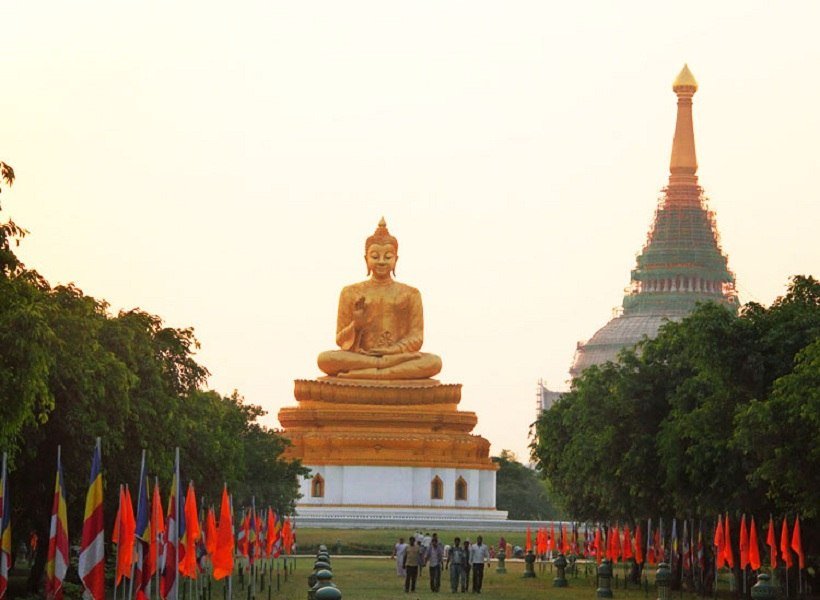
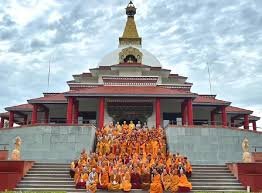
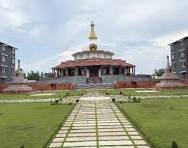
Shravasti (Uttar Pradesh, India)
Shravasti, located in Uttar Pradesh, was one of the most important cities in the life of Gautama Buddha after his Enlightenment. It was here that the Buddha spent 24 rainy seasons—more than at any other place—making it a major center of teaching and spiritual practice. The peaceful monastery of Jetavana, donated by the wealthy merchant Anathapindika, became Buddha’s regular residence and a gathering place for monks and followers.
Today, Shravasti remains a major pilgrimage site for Buddhists worldwide. Ruins of Jetavana, ancient stupas, and meditation paths remind visitors of the time when the Buddha walked, taught, and spread peace here. Shravasti represents the heart of Buddhist teaching—where wisdom met humility, and where the Dharma took deep roots among ordinary people.